

Unbridled curiosity and outsized impact: Interdisciplinary research ignites discovery at NUS
May 23, 2026
Unbridled curiosity and outsized impact: Interdisciplinary research ignites discovery at NUS
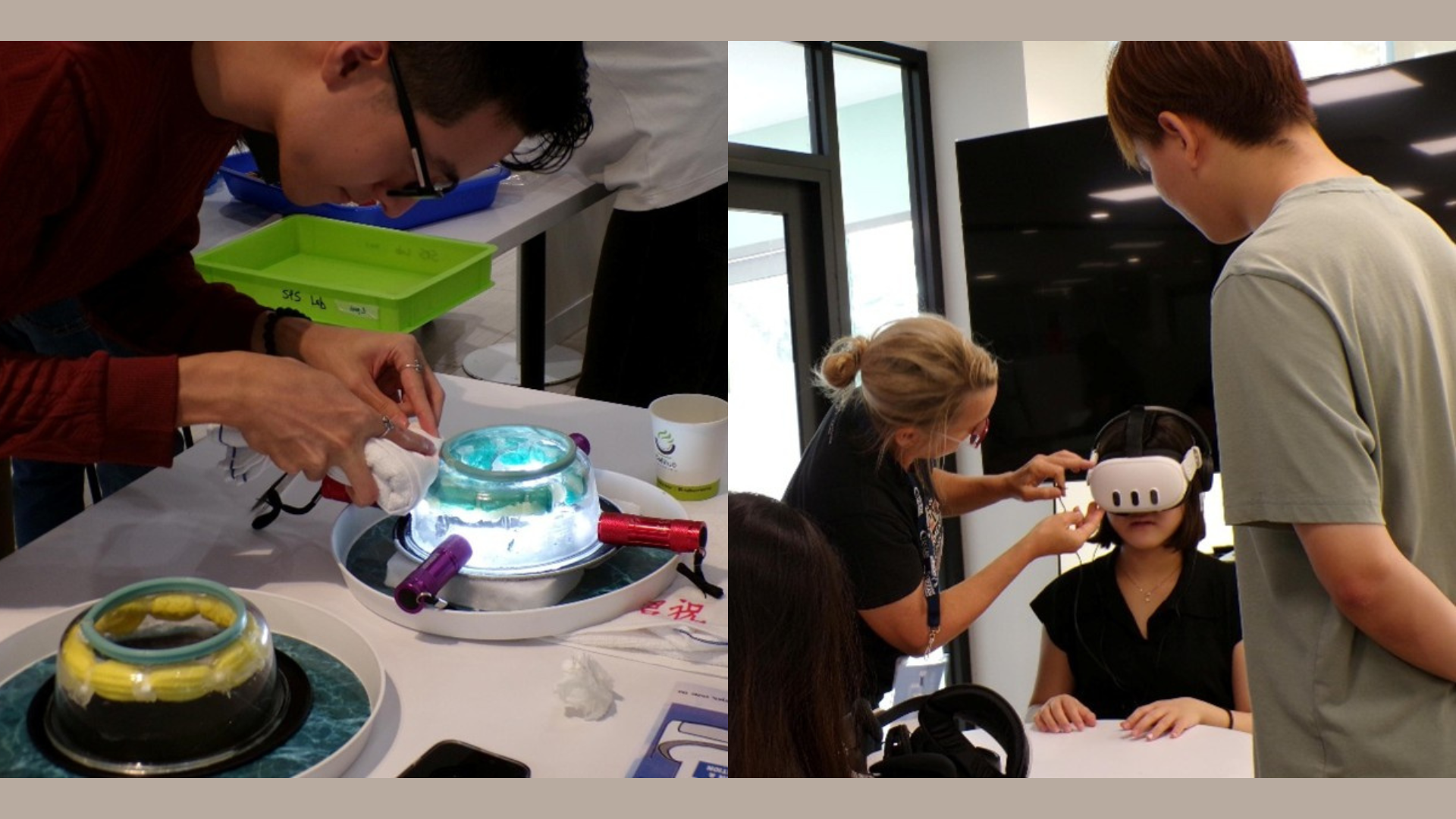
As students explore complex questions across disciplines and reframe contemporary challenges, undergraduate research at NUS continues to flourish and evolve. Through initiatives such as the Research Experience Programme (REx) and events like the REx Conference 2026 (RExCon2026) and the REx Researcher Unbound Plus (RU+) series, organised by the NUS Office of the Provost in collaboration with NUS Libraries, students engage in meaningful inquiry, collaborate with mentors, and communicate their findings to wider communities.
The REx Conference, held on 21 January 2026, unites curious minds across faculties, providing a platform for students to present their research and engage with peers, mentors and industry partners. This year’s conference, attended by over 200 participants, emphasised collaboration and innovation, highlighting how interdisciplinary partnerships can spark new ideas and societal impact.
Screen time and play time
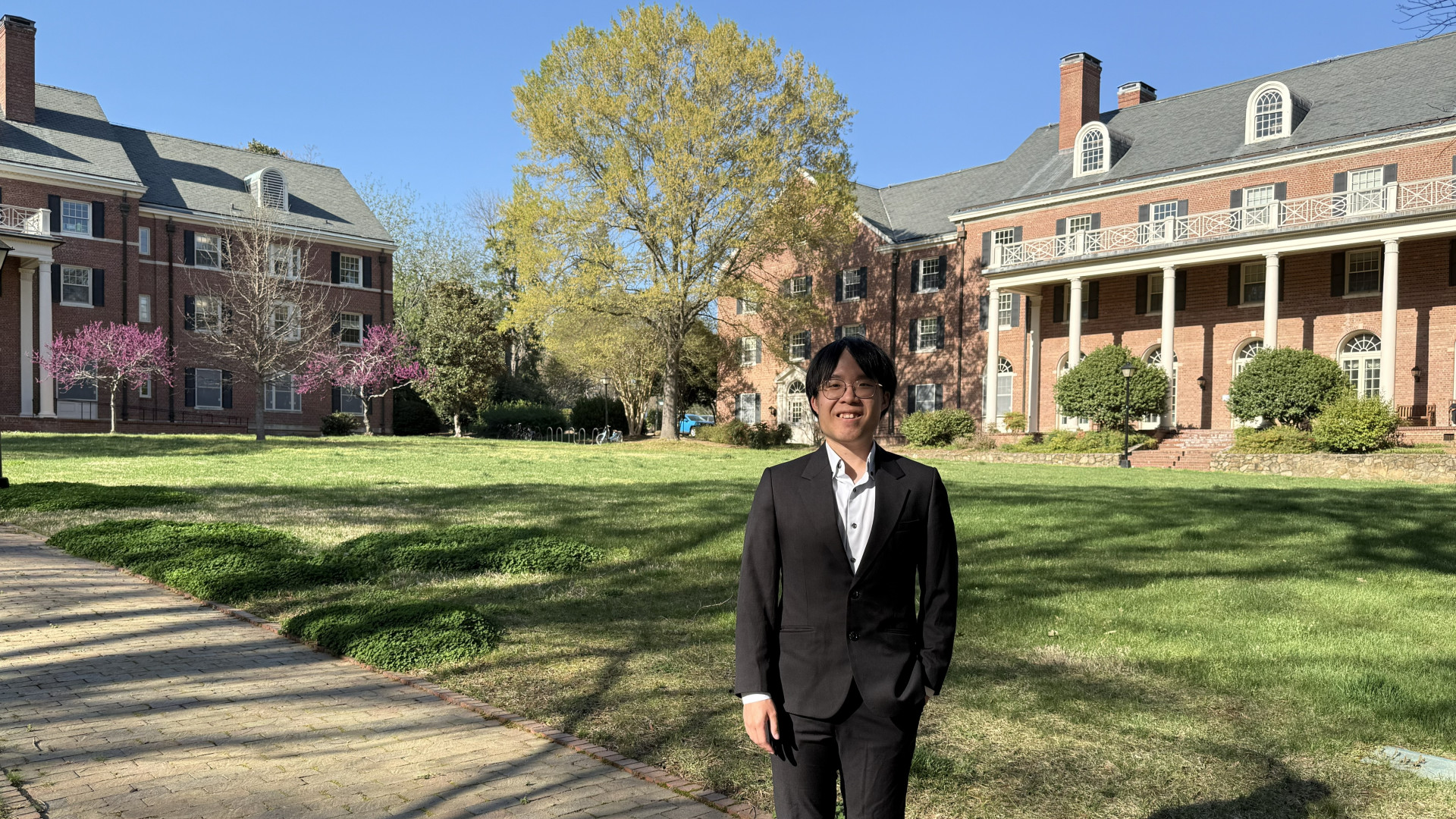
Physical inactivity and excessive screen viewing are pressing public health concerns, profoundly affecting youth well-being both immediately and in the long run. Daniel Chong, a third-year Faculty of Science student and one of the top winners in the Ignite Presentation category, presented his research project titled “A Review of Physical Activity and Screen-Viewing Among Children and Adolescents in Singapore 2025”. Spanning public health, behavioural sciences, public policy, and sociology, this comprehensive work involving interdisciplinary collaborators highlighted a national paradox: despite extensive interventions, many children in Singapore remain insufficiently active and engage in excessive recreational screen viewing. Based on its findings, the research study provided evidence-based recommendations for policymakers, practitioners and researchers to bridge these gaps and support healthier, more active lifestyles for children and adolescents in Singapore.
Stroke and language outcomes
Stroke is one of the leading causes of death and disability worldwide, and a major health concern in Singapore. Approximately 30 per cent of stroke survivors experience aphasia – a condition affecting the ability to understand or produce language, hindering communications. Fourth-year student Amolika Vishal Thapliyal from the NUS Yong Loo Lin School of Medicine, who received the Best Oral Presentation Award, investigated this condition through her project “Lesion to Language: Aphasia Outcomes in Subcortical and Cortical Stroke Lesions”. Her research examines how the location of brain lesions caused by stroke influences language outcomes in patients, sheds light on how stroke lesions in specific brain regions contribute to language comprehension and expression.
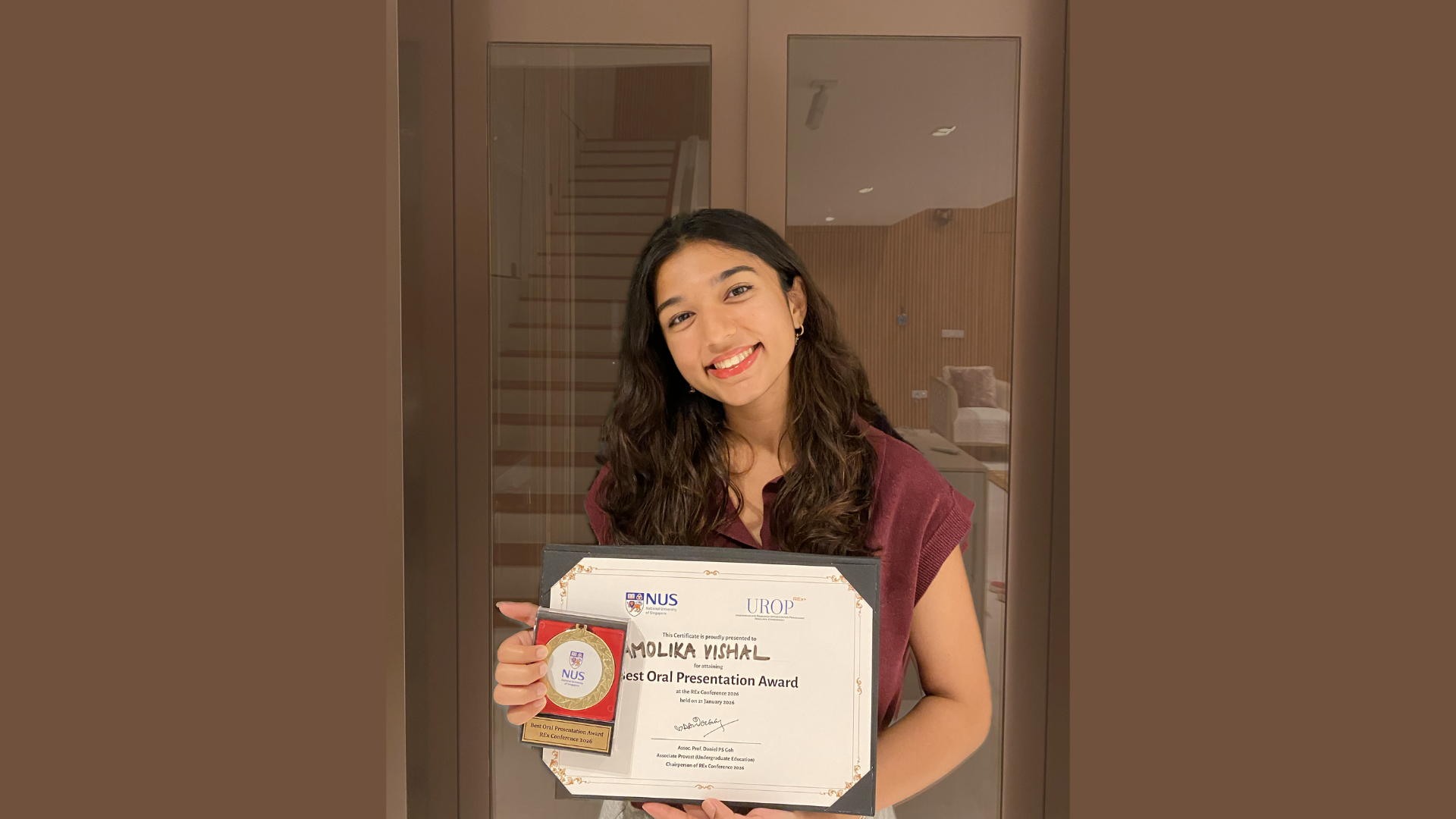
Amolika’s work seamlessly bridged neurology, linguistics and rehabilitation research. This interdisciplinary approach provided a clearer understanding of the communication challenges experienced by stroke survivors. Ultimately, she hopes the findings of her research could help to inform more targeted rehabilitation strategies and improve long-term recovery for aphasia patients by connecting neurological findings with linguistic outcomes.
Diving deeper into research storytelling
Complementing the REx Conference is the REx Researcher Unbound Plus (REx RU+) series, which empowers emerging scholars to communicate their research effectively by fostering interdisciplinary spaces for learning, collaboration and idea exchange.
In line with a broader shift in research culture where clear and creative communication of complex ideas is increasingly important, the March workshop “Once Upon a Time: Building the Research Story – Making Sense of Data, Ideas, and Impact”, guided participants in turning research into compelling narratives. The session focused on structuring ideas, drawing meaningful insights from data, and articulating broader impact. By emphasising storytelling as a core research skill, it encouraged participants to think more critically about how to communicate their findings to diverse audiences.
Undergraduate research: From experimentation to real-world impact
By fostering environments for experimentation and effective communication, NUS prepares the next generation of scholars, innovators, and leaders to tackle complex challenges, bridge disciplines, and translate ideas into real-world impact.
Explore a multiverse of research opportunities through the Undergraduate Research Opportunities Programme today.
This story first appeared on NUSnews on 09 April 2026.