

In the service of social good: The power of AI and youth leadership
December 5, 2025
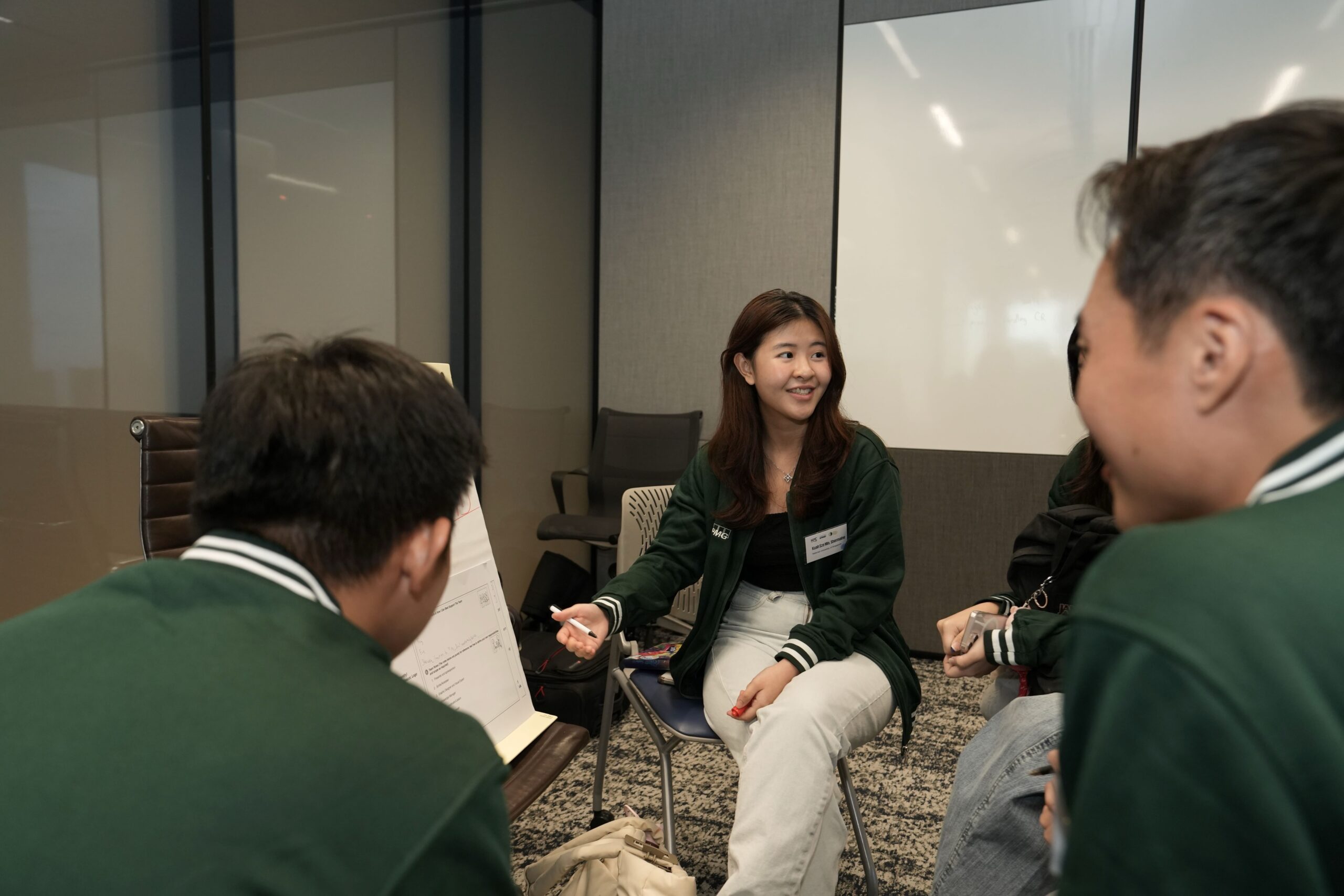
For Shermaine Kuah (Data Science and Analytics and Economics), joining the Gen2050 youth action programme was less about signing up for a programme and more about stepping into a space that reflects her convictions. She has long believed that community work demands more than goodwill - it calls for imagination, leadership and the courage to rethink what meaningful, sustainable impact truly looks like.
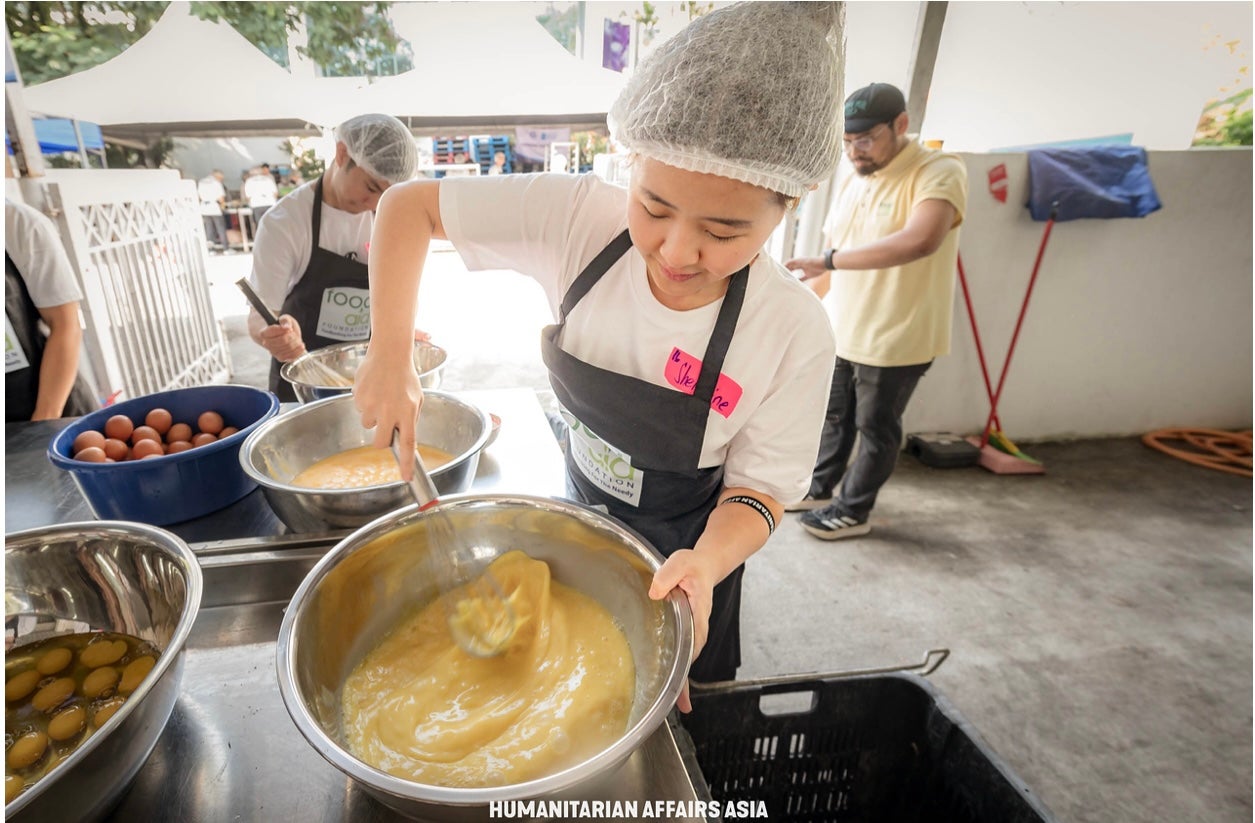
Years of volunteering with underprivileged children, seniors, migrant workers and residents has taught her that engagement is never just about meeting needs. It is also about recognising strengths, building connections and creating the conditions for communities to thrive.

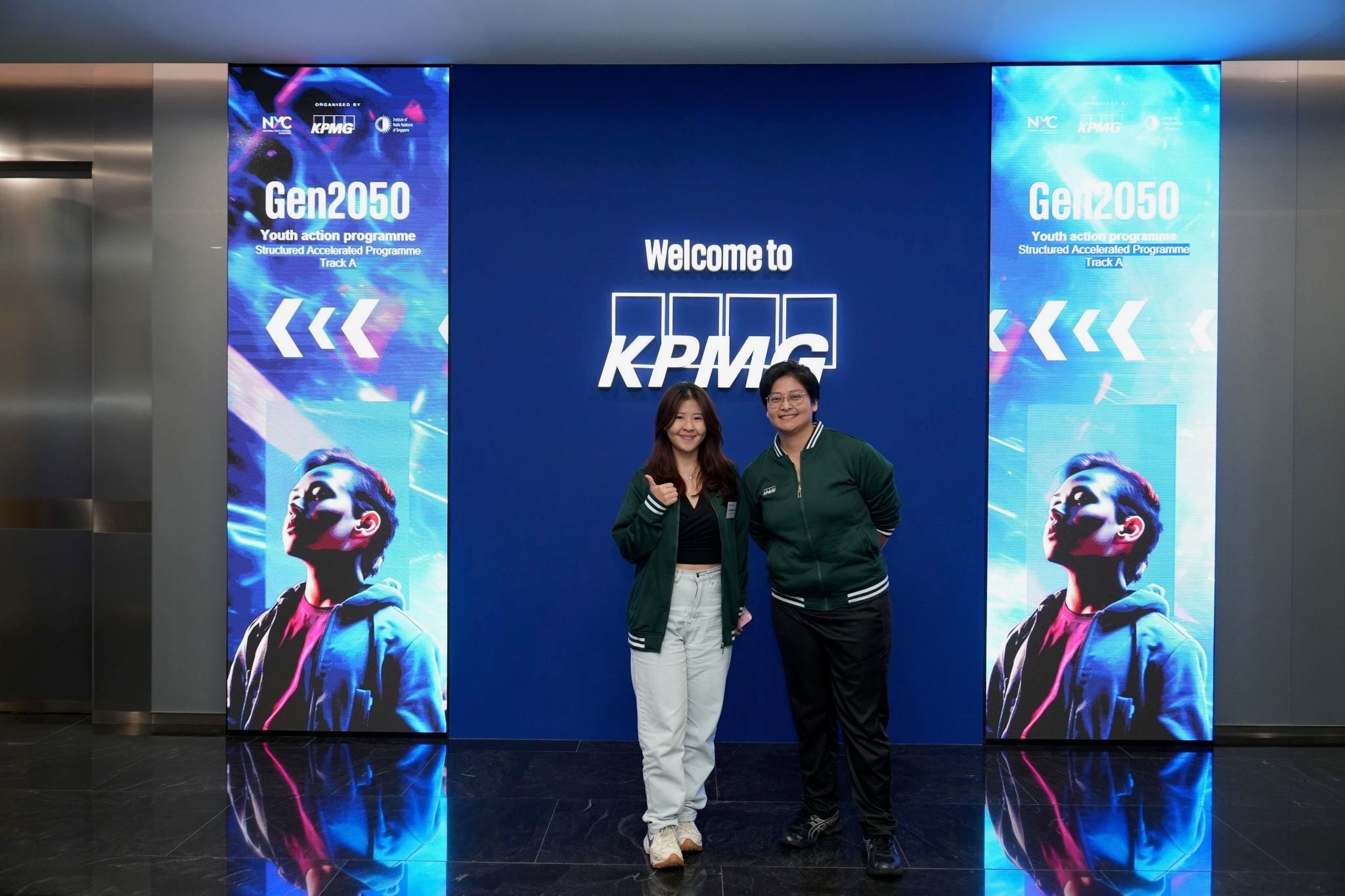
Gen2050 brought this perspective into clear focus. Bringing together government agencies, industry mentors and youth under one roof, the programme provided participants practical tools in social entrepreneurship, problem-solving and stakeholder management - a unique platform to scale up and deliver ideas with impact.
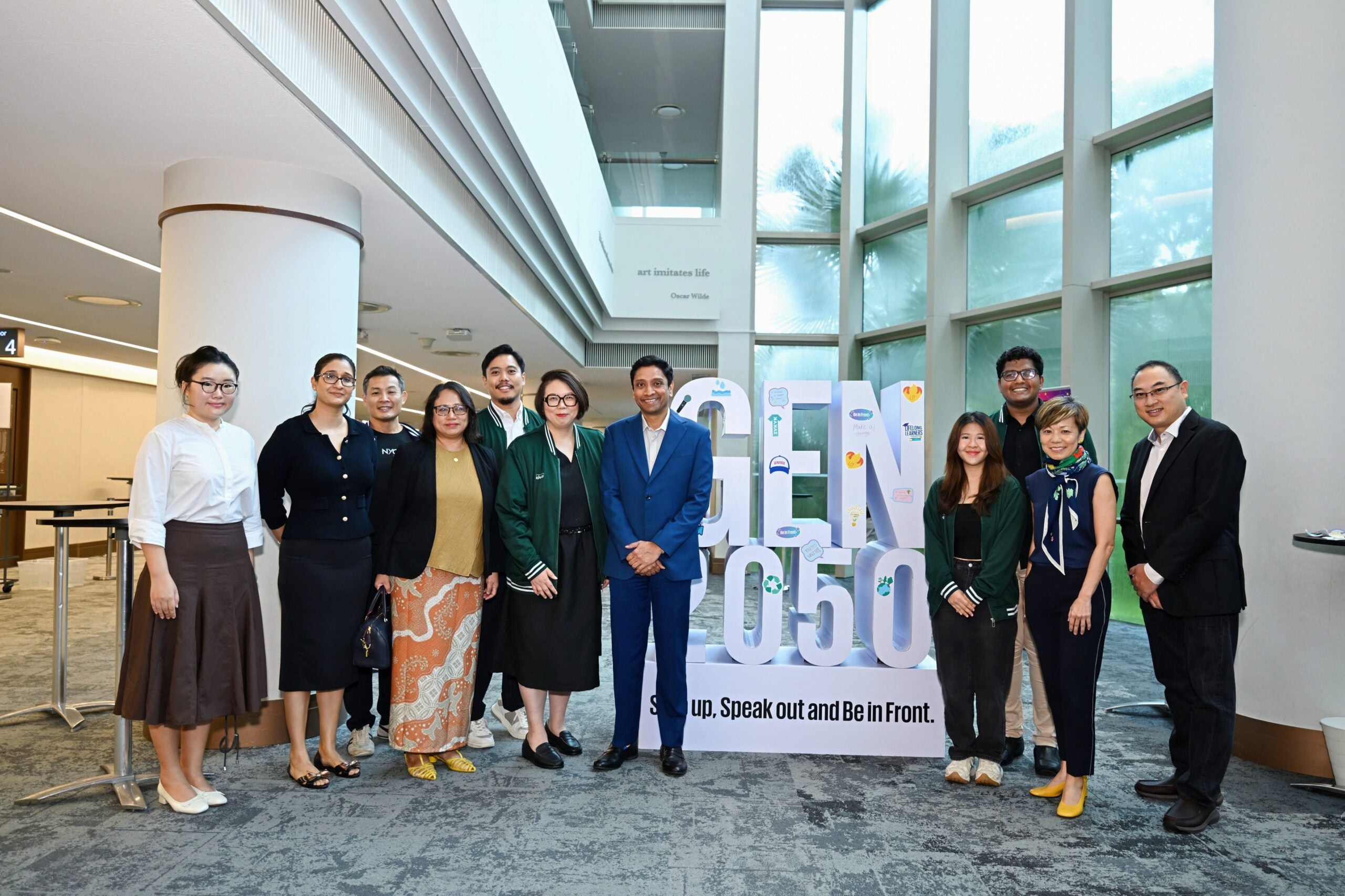
“What stood out to me was the programme’s focus on artificial intelligence (AI), social good and innovation,” Shermaine says. “This ties in closely with my belief that technology, when used responsibly, can complement human empathy,” she says.
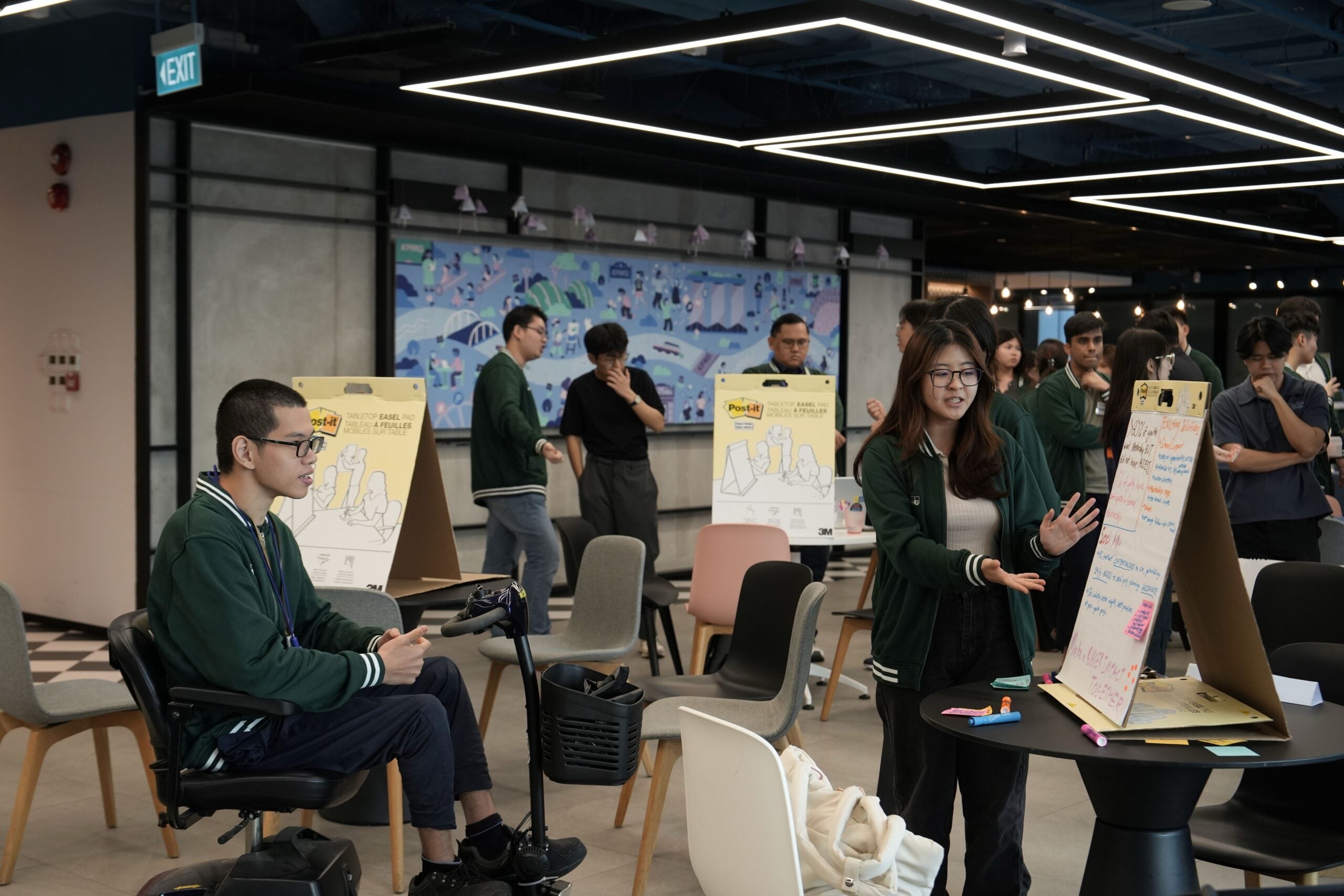
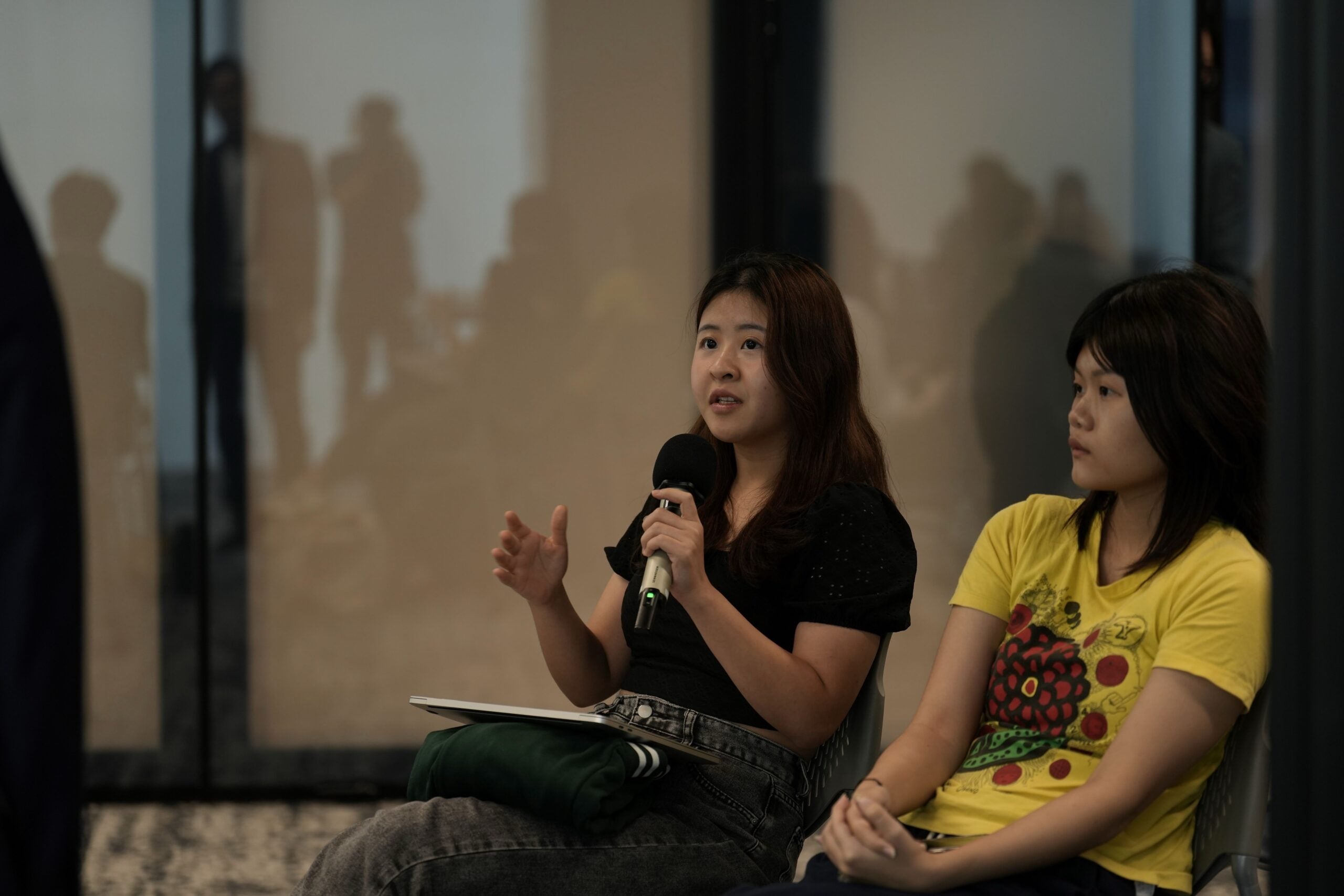
Among the many sessions in Track A, designed to equip participants with skills to craft scalable solutions, one stood out clearly: The Art of a Compelling Pitch. It was a masterclass in how clarity, storytelling and credibility converge to transform an idea into a call to action. The real test came when participants were asked - with little time to prepare - to pitch their ideas to a full room. The pressure sharpened Shermaine’s instincts: start from the heart of the problem, tailor the message and close with a clear next step. A line that stayed with her - “a pitch doesn’t end with applause, it ends with action” - reshaped how she now presents every community idea: not as an answer, but as an invitation for others to join the cause.
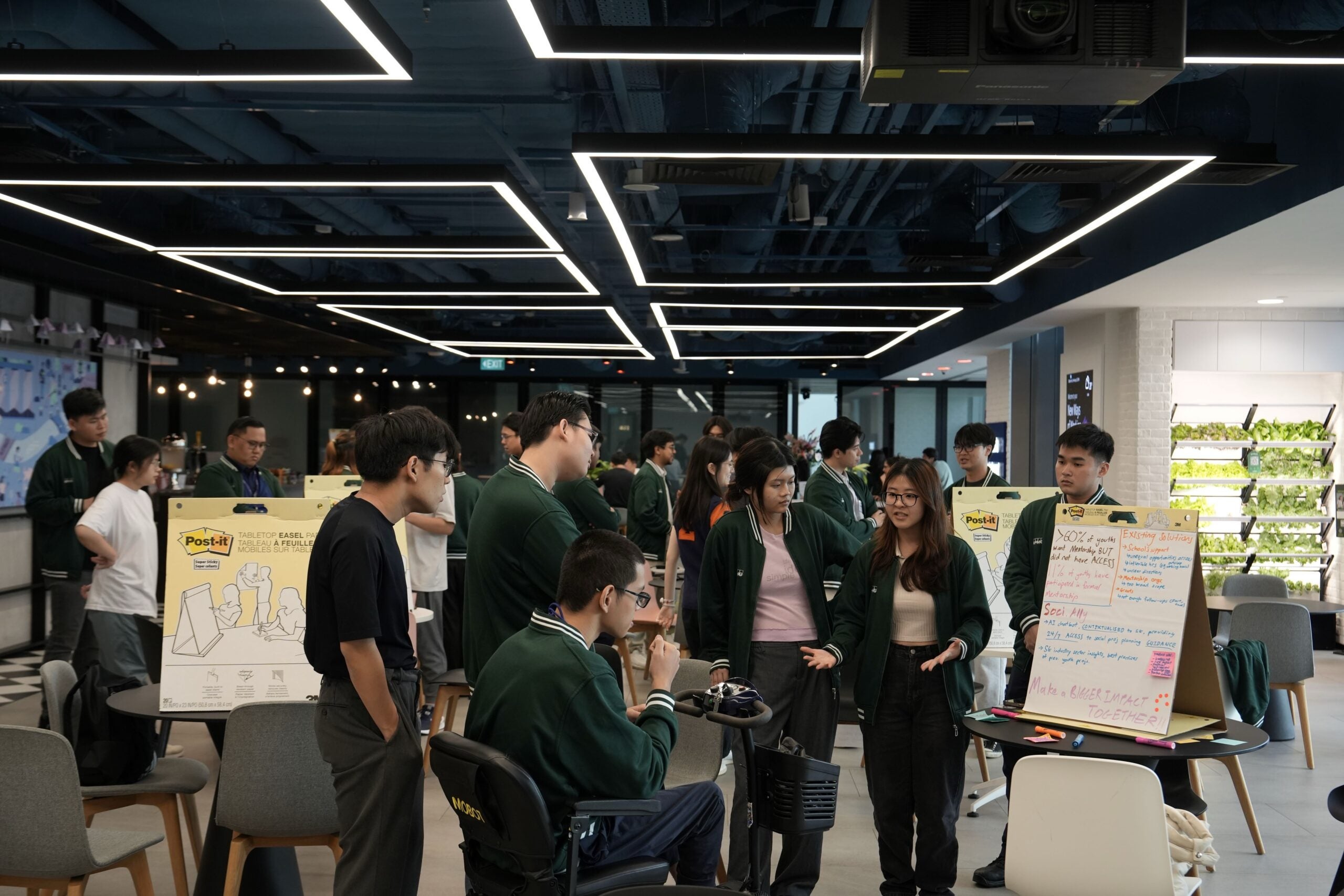
There were many takeaways. One, she discovered, is the importance of storytelling: clarity earns credibility, while a strong narrative motivates people to care. Evidence, she learned, is the “engine” of any good idea, where solutions must be grounded in lived realities, not intuition.
Systems thinking also offered a new lens. “Beneath every social issue lies systemic patterns, structures and mindsets that must be understood before change is possible,” she says. This insight shifted her view of social good from ‘solving a problem’ to ‘reshaping the conditions that cause it.’
The programme sparked a new project idea: an AI tool for youth changemakers. Diving into this group project revealed AI’s promise and its challenges: data protection, the need for safe model training as well as the cost and complexity of responsible deployment and maintenance. However, far from deterring her, this experience strengthened her resolve to continue working with peers in NUS to explore a pilot version, potentially in collaboration with innovation laboratories.
Interacting with a diverse cohort - master’s students, working professionals to tertiary-level students and those serving National Service - broadened her perspective in unexpected ways. Their varied worldviews reminded her that innovation is not tied to age or seniority, but to mindsets. These exchanges also exposed blind spots and reinforced her belief that the best solutions emerge when diverse voices build together. “I learnt to be more intentional in seeking out perspectives unlike my own,” she says.
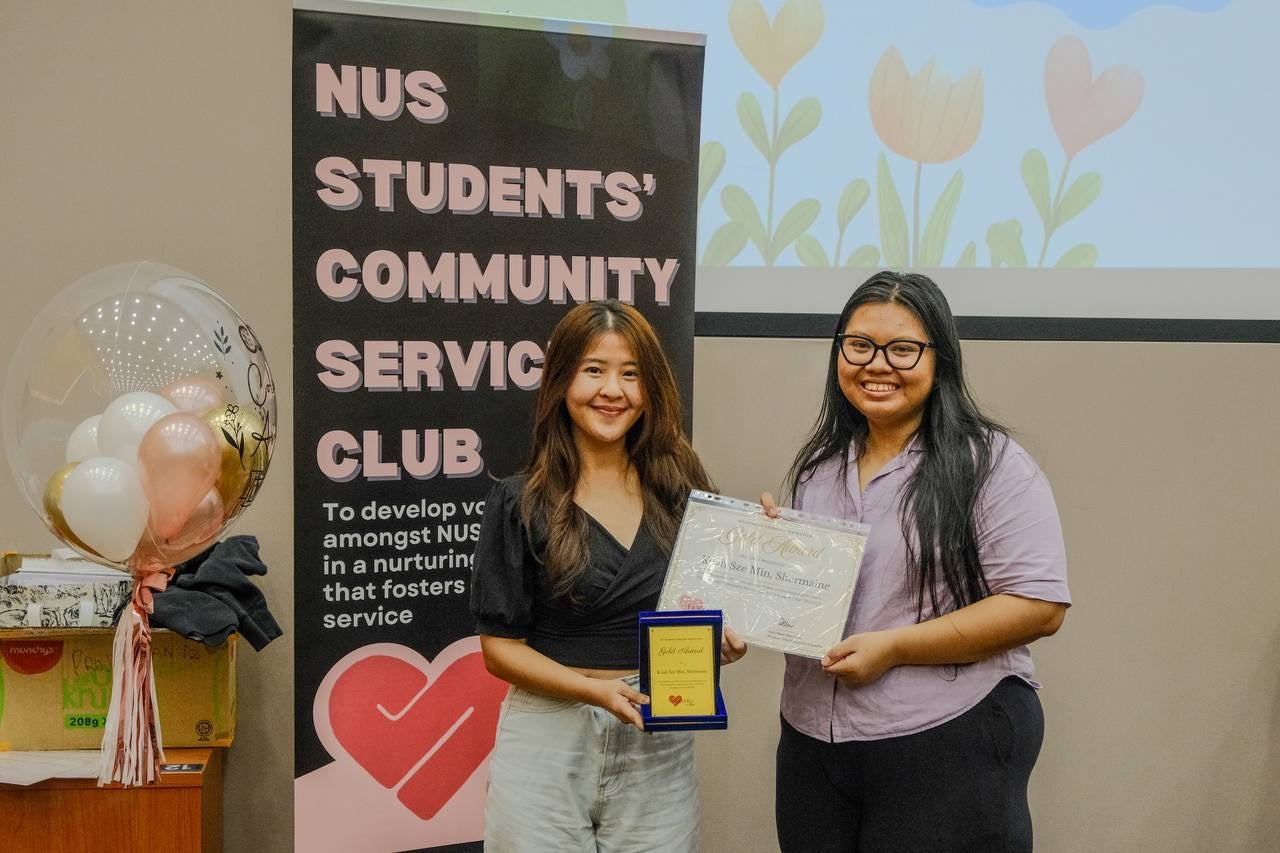
Her technical skills in data science and analytics found renewed purpose through the programme. She began to see how data and AI could inform community decisions with precision, improve access to services and shape human-centred solutions. Indeed, it became evidently clear through her experience in the Gen2050 youth action programme that data thinkers are vital in social sustainability, public engagement and community development - fields that align closely with her career ambitions. “The experience motivates me to pursue roles where data and AI can uplift communities,” she says.
She adds, “AI has the potential to strengthen outreach and advocacy, amplify unheard voices, help youth groups sustain participation and support storytelling and data collection to communicate impact more effectively.”