

AI at the heart of TikTok
June 9, 2026
Every day on TikTok LIVE, millions of interactions unfold in real time – creators build communities, fans connect through shared culture and trends evolve at extraordinary speed.
Behind these moments is a growing layer of artificial intelligence (AI) systems that help teams better understand content, communities and product experiences.
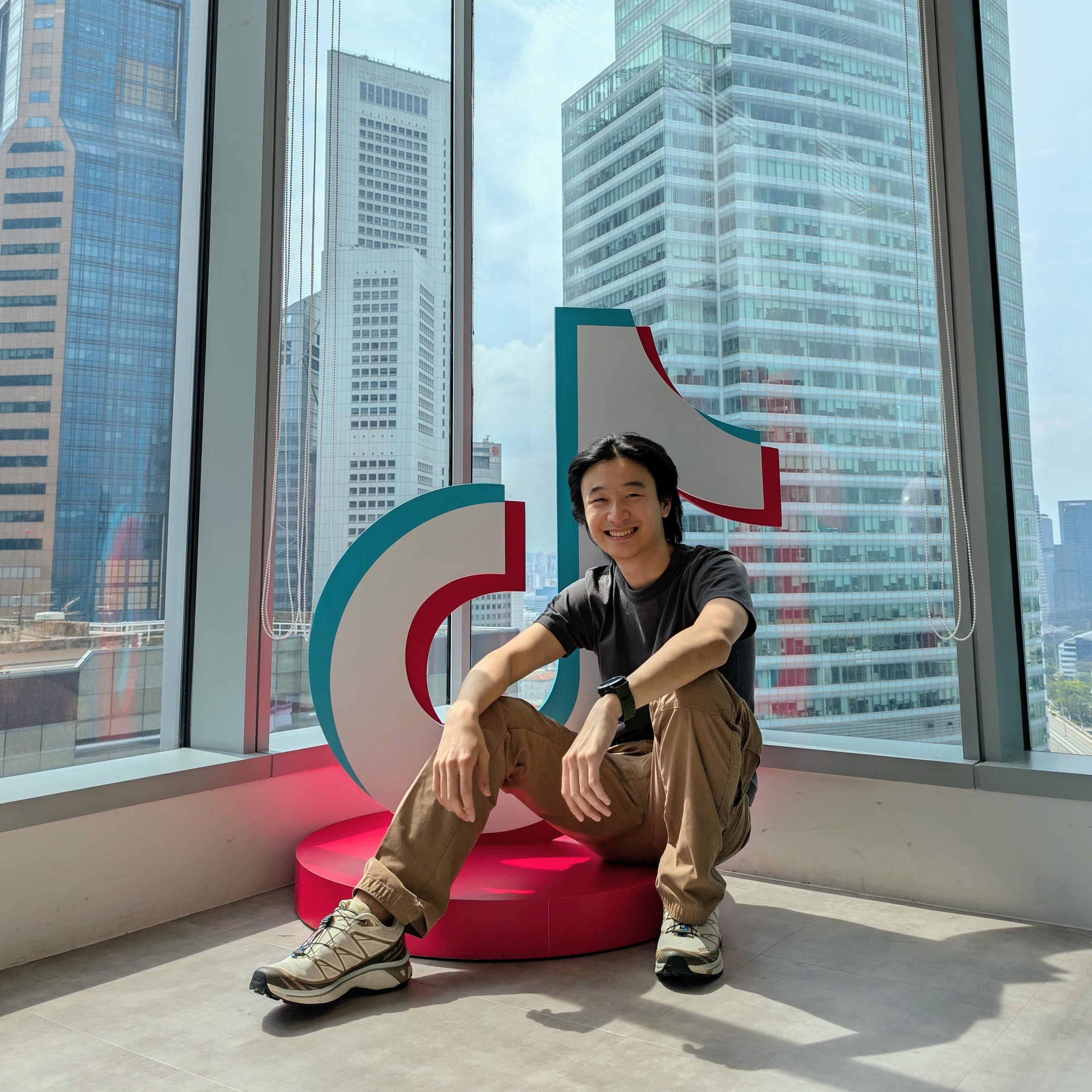
This is where Lee Pak Shuang, who graduated from the inaugural College of Humanities and Sciences cohort, comes in. “What excites me most about this job is the combination of scale, product impact and AI work,” he says. “It’s a place where I can keep learning while working on problems that affect a very large number of users.”
As a data scientist at TikTok, Pak Shuang works on exploratory AI problems tied to product features and content understanding. His team focuses on algorithmic systems across TikTok LIVE, where much of the work involves uncovering how AI can better understand user behaviour, creator ecosystems and emerging product opportunities.
Unlike traditional analytics work, many of these problems rarely come with a clear playbook.
“Often, the challenge is figuring out if a new AI approach is even viable in a real product setting,” he says. “That means defining the problem, building prototypes, creating evaluation methods and using the results to guide product or strategy decisions.”
Understanding internet communities with AI
One project he worked on focused on TikTok LIVE’s Community Gifts feature. On LIVE, viewers can send paid virtual gifts to support creators. Community Gifts extends this idea by tailoring gifts to the identity and culture of individual creator communities by drawing inspiration from inside jokes, recurring references and experiences unique to each live room.
To support this work, Pak Shuang contributed to AI-driven approaches that identify meaningful community signals and explore how they can inform more relevant gift concepts. The work blends AI experimentation, behavioural analysis and product thinking.
“My work improves the product experience by making features more relevant, personalised and meaningful for creators and fans,” he says.
Why diverse perspectives matter
His role also demands close collaboration across teams and geographies. Working with colleagues from product, engineering, operations and strategy teams has shown him how stronger ideas often emerge from different perspectives.
“One of the biggest lessons I’ve learned is that good ideas improve when they’re shaped through multiple lenses,” he says.
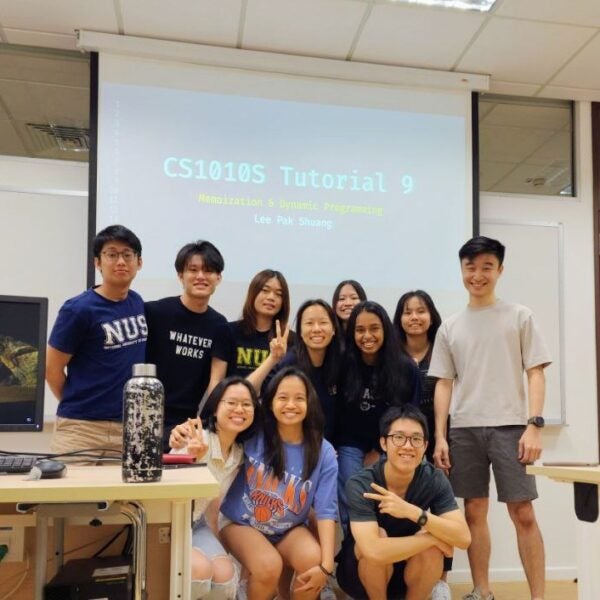
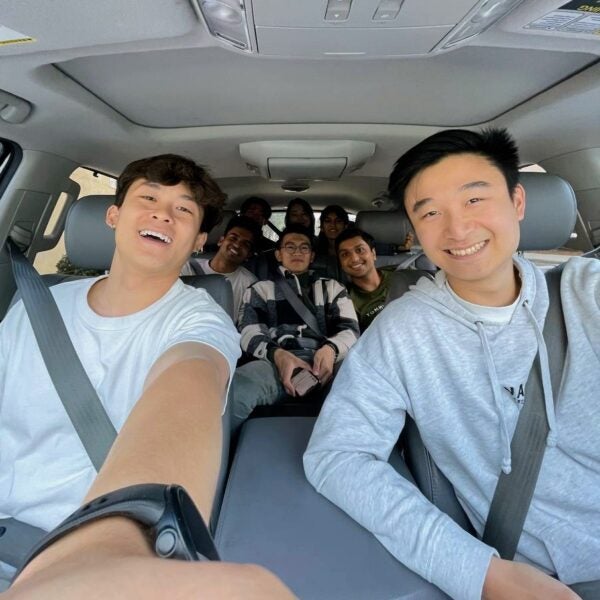
The experience has sharpened his communication, adaptability and strategic thinking, skills that reflect the increasingly interdisciplinary nature of modern social platforms. And for Pak Shuang, these were capabilities he began developing before entering the workforce.
 |
 |
A classroom that felt real
Long before joining TikTok, Pak Shuang was drawn to using data to understand behaviour and solve practical problems. “I like the idea of turning data into insight and action,” he says.
This interest led him to pursue a major in Data Science and Analytics, alongside a minor in Computer Science – a combination that continues to shape how he approaches AI systems and product work today.
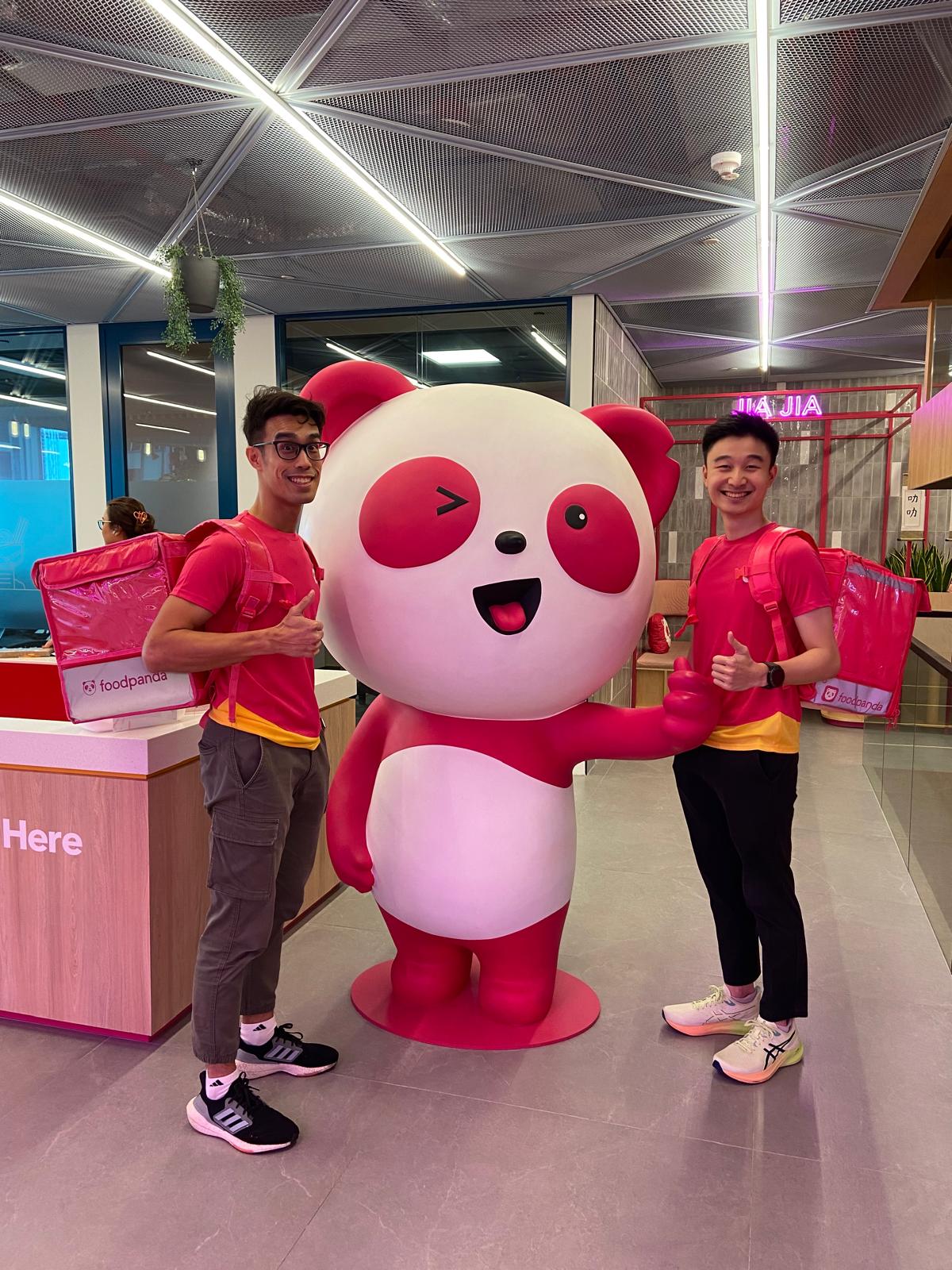
While his academic training provided a strong technical foundation, it was his internship experiences that helped him understand how those skills are applied in real-world settings. His time at Foodpanda, in particular, offered “a front-row view” into how business decisions are made and how ideas are communicated across different levels of an organisation.
“The internships gave me context that coursework alone could not,” he says. “I learned how companies make decisions, how to communicate with senior stakeholders and how to think strategically rather than only analytically.”
Among the academic experiences that prepared him for industry, one course stood out: Data Science in Practice. The project focused on helping UX researchers gather richer insights at scale through AI interviewers. Looking back, he describes it as one of the closest experiences to working in a real product environment.
At a time when chatbot evaluation practices were still relatively underdeveloped, his team had to grapple with uncertainty while assessing if the system would work in practice.
He says, “This course taught me how to deal with ambiguity and balance technical ambition with practical constraints,” – lessons that remain highly relevant in his current role.
For him, some of the most impactful lessons also came from courses outside technical disciplines. For instance, Design Thinking encouraged him to focus more deeply on user needs and problem framing.
“This changed the way I think about building solutions,” he says. “Sometimes the most important part is making sure you’re solving the right problem in the first place.”
Today, that ability to move comfortably between technical implementation, product thinking and user understanding sits at the core of his work in AI product experimentation.
The future of data science in social media
Looking ahead, Pak Shuang sees growing opportunities for data science in social media as AI capabilities continue to evolve.
Social platforms operate at immense scale and generate vast amounts of behavioural and unstructured data. Increasingly, large language models (LLMs) are becoming an entirely new layer of analytical capability.
“In the past, some questions relied mostly on traditional quantitative analysis,” he says. “Now, LLMs can generate richer insights, analyse more unstructured information and uncover patterns that would have been harder to capture before.”
For data scientists, this expands not only what can be measured, but also how complex product and user problems can be understood.
For Pak Shuang, that is exactly the future he wants to be part of – one at the intersection of AI, data and product development, a space which allows him to deepen both his technical judgment and product literacy.
“I want to keep working on meaningful problems,” he says, “I’d like to continue applying AI thoughtfully in real product environments.”
