
When the path isn’t straight: An ITE student’s journey to NUS
January 6, 2026
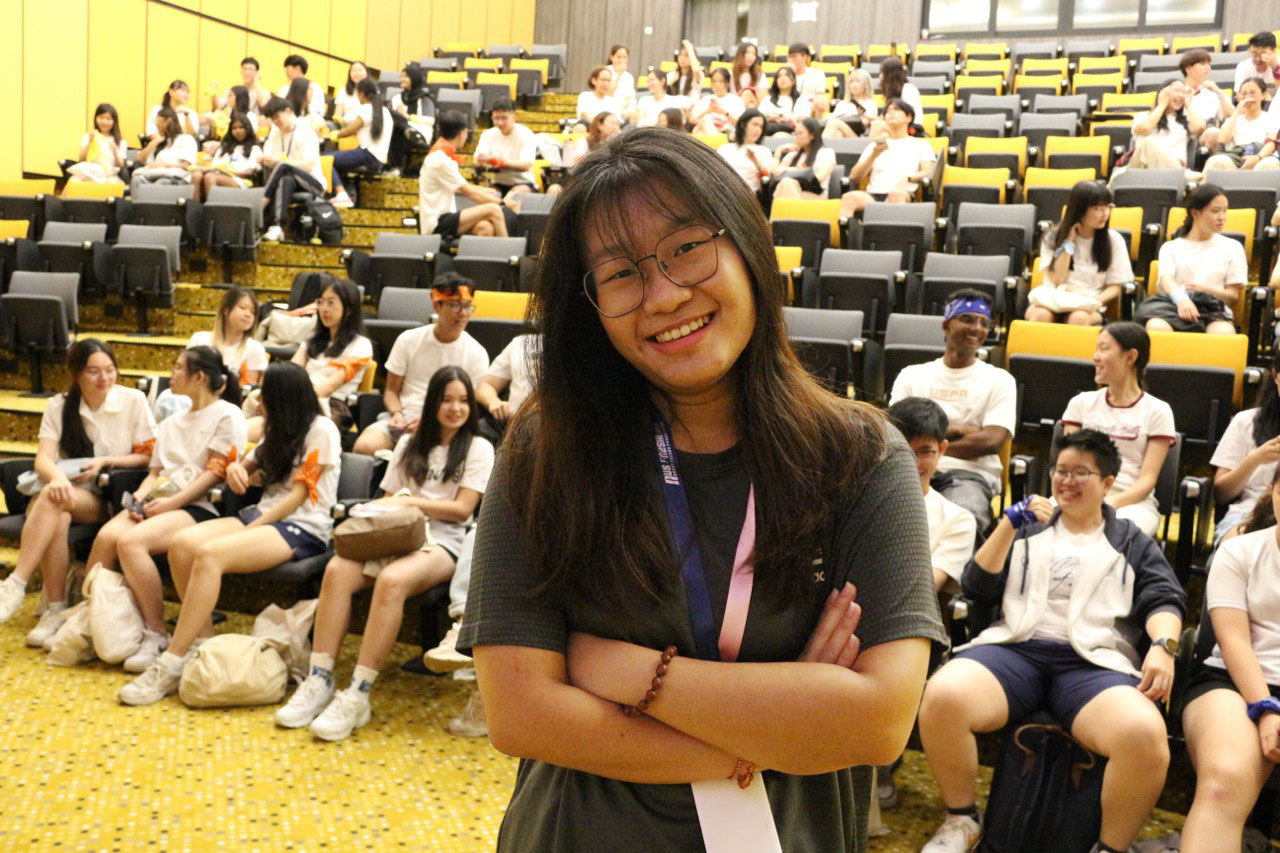
When Agnes Kua first arrived in Singapore with her parents, the prospect of entering a local university felt remote. Placed in the Normal (Academic) stream in secondary school, she quickly became aware of the hurdles ahead, particularly the English-language demands of the ‘O’ Levels. Rather than viewing this as a setback, she made a deliberate choice after her ‘N’ Levels to enter the Direct-Entry Scheme to Polytechnic Programme (DPP), which led her to a two-year Higher Nitec course at the Institute of Technical Education (ITE).
Science had always fascinated her, but options were limited. Chemical technology was the only science-related course available to DPP students then. Nevertheless, she embraced the opportunity fully and her years at ITE became a formative chapter. That commitment paid off when she earned a place in Medical Biotechnology at Temasek Polytechnic, a course closely aligned with her interest in biology.
Even then, university felt beyond reach. “I didn’t think entering university would be possible, given my average academic background,” she says. While she had mentally prepared herself to enter the workforce with a diploma, this mindset took a shift during her final-year internship at polytechnic, when her supervisor explained that a degree was the baseline qualification for a medical laboratory technologist.
The message was unmistakable: Further education would open far more doors in the medical and healthcare sector. From that moment on, she set her sights on university. Her admission into the College of Humanities and Sciences (CHS) as a Life Sciences student stands as an inspiring example that there is more than one way to get into university.
Today, her journey at the Faculty of Science is “both fulfilling and affirming”. One of the biggest highlights is the diversity of people she meets - friends from different faculties and backgrounds, often through CCAs. This exposure helps her build a strong, varied network, something she values deeply.
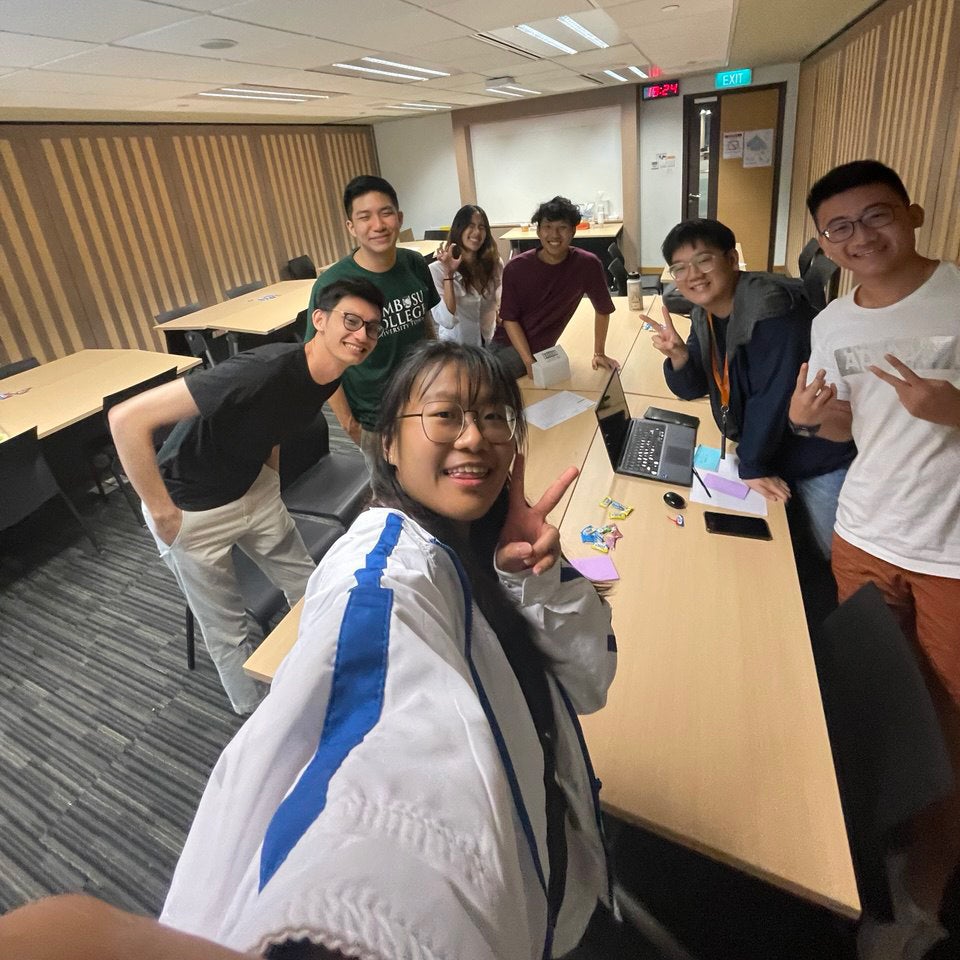
Describing herself as “a slow learner”, Agnes had anticipated a steep learning curve academically, especially for theory-heavy courses. While challenges did arise, she found most Year 1 courses engaging and manageable. Some even introduced her to new forms of learning, such as academic writing and essay-based assessments - areas she had not encountered in her ‘N’ Levels background.
Equally important, her hands-on training at ITE and polytechnic gave her a strong foundation in laboratory work. Familiarity with laboratory techniques and equipment allow her to contribute confidently during practical sessions, easing the transition into university-level science.
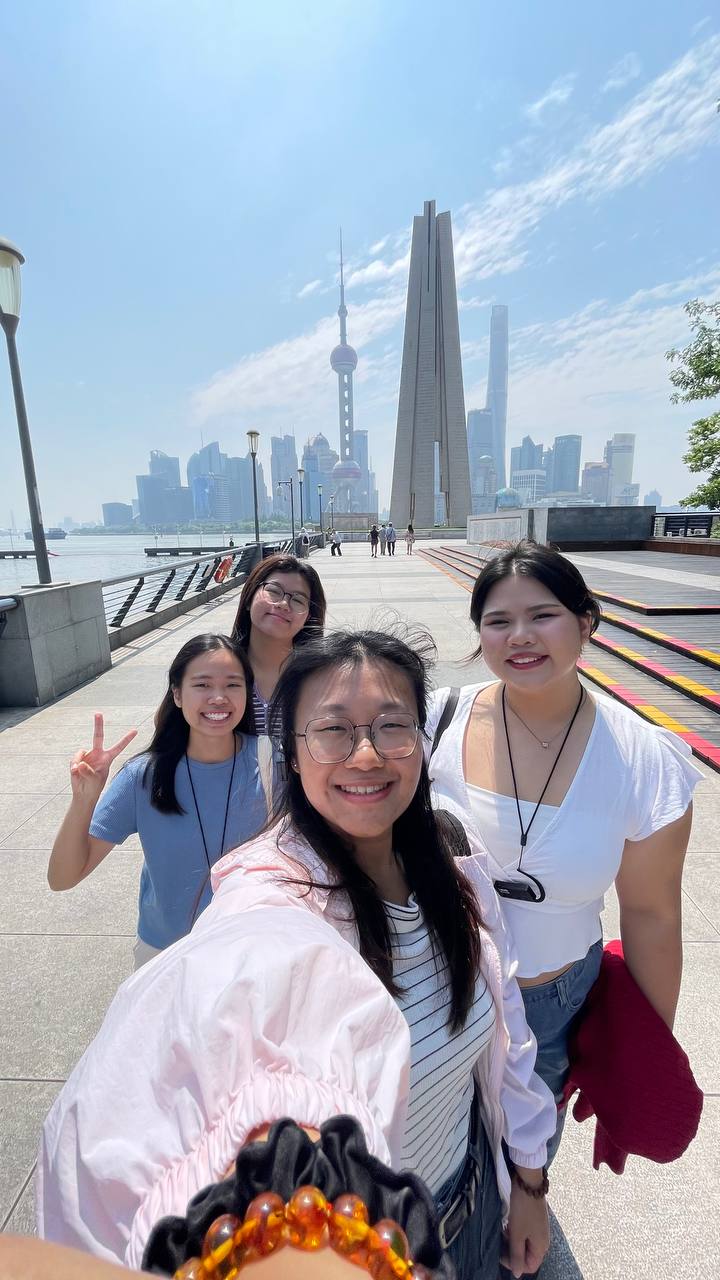
“Being admitted into NUS reinforced my belief that science is the right path for me. It has also strengthened my motivation to pursue a career in the medical and healthcare field,” she says. More than that, her experiences are reshaping how she sees herself – not as a student limited by her starting point, but as someone whose non-linear educational journey made her highly adaptable and socially confident, thanks to years spent navigating different systems.
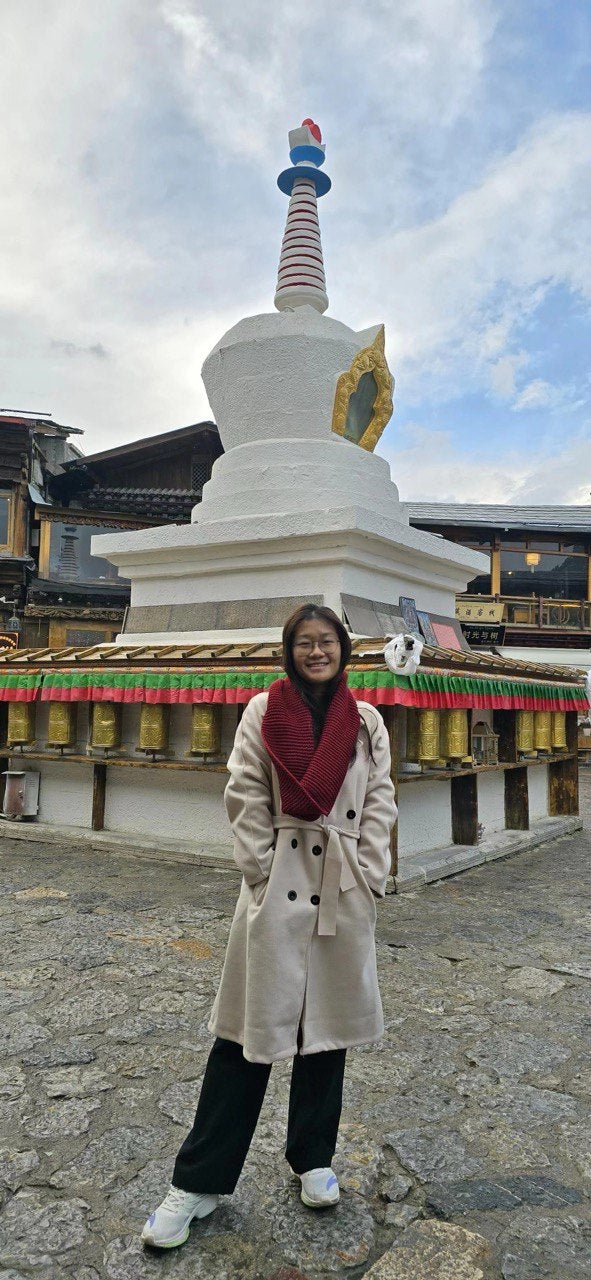
Her message to other ITE students aspiring to university is clear. “Don’t underestimate yourself,” she says. “Stereotypes may persist, especially around ITE pathways, but they do not define your potential. Taking a longer or less conventional route is no less meaningful and the time spent in ITE is far from wasted.”
She adds, “Along the way, I gained technical skills, life lessons and interpersonal strengths – attributes that don’t always show up directly in grades.”