Humanities In-Person Talks

7th March

Discover the vibrancy of our campus! Visit our booths at Stephen Riady Centre and meet our academic advisors to find out more on the College of Humanities and Sciences (CHS)’ programmes and learning opportunities! Our physical programme includes academic programme talks, alumni and student sharing sessions and for the first time — immersive exhibits that provide illustrative insights into various aspects of our disciplines. This is your chance to discover what makes the CHS learning experience unique and exciting!

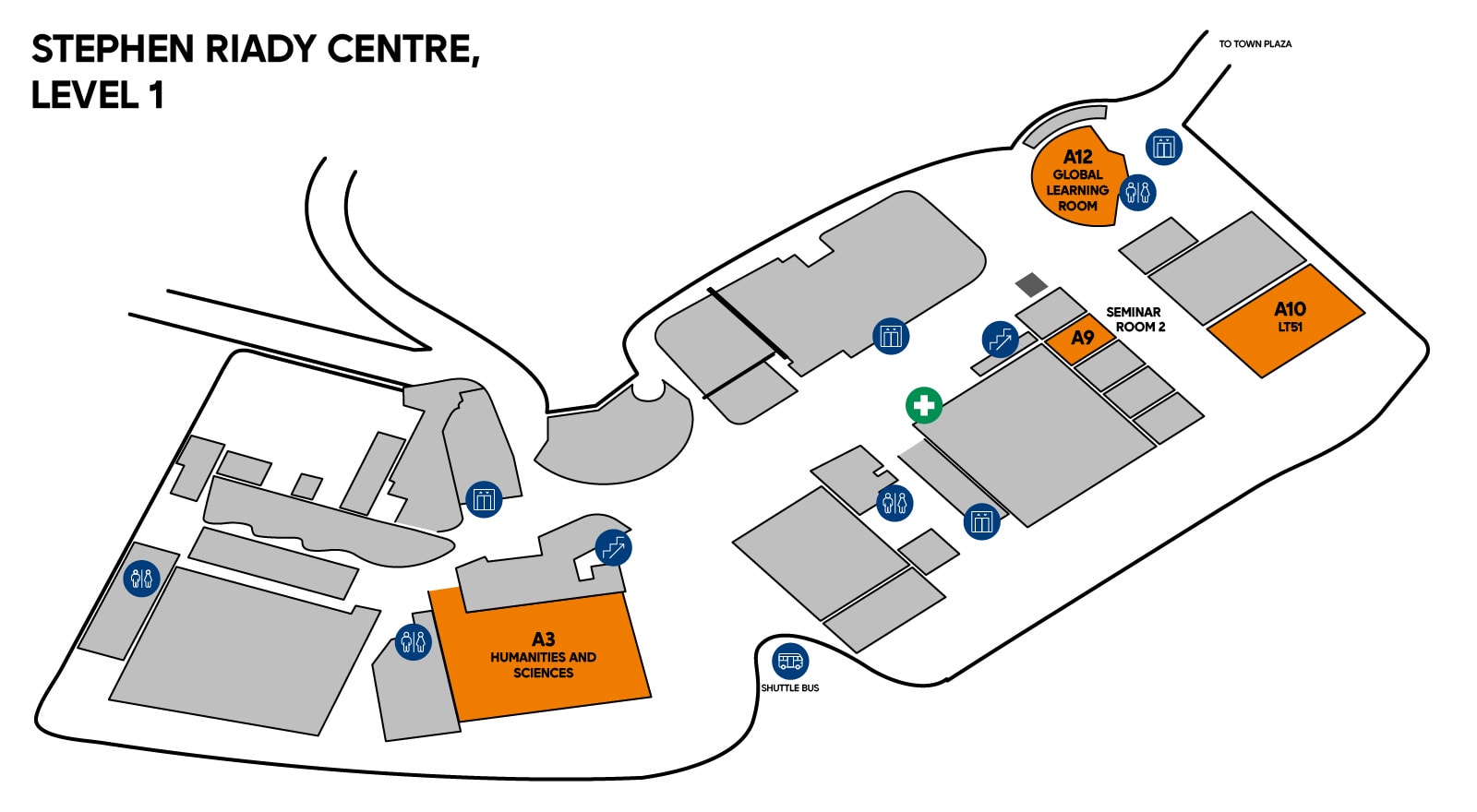
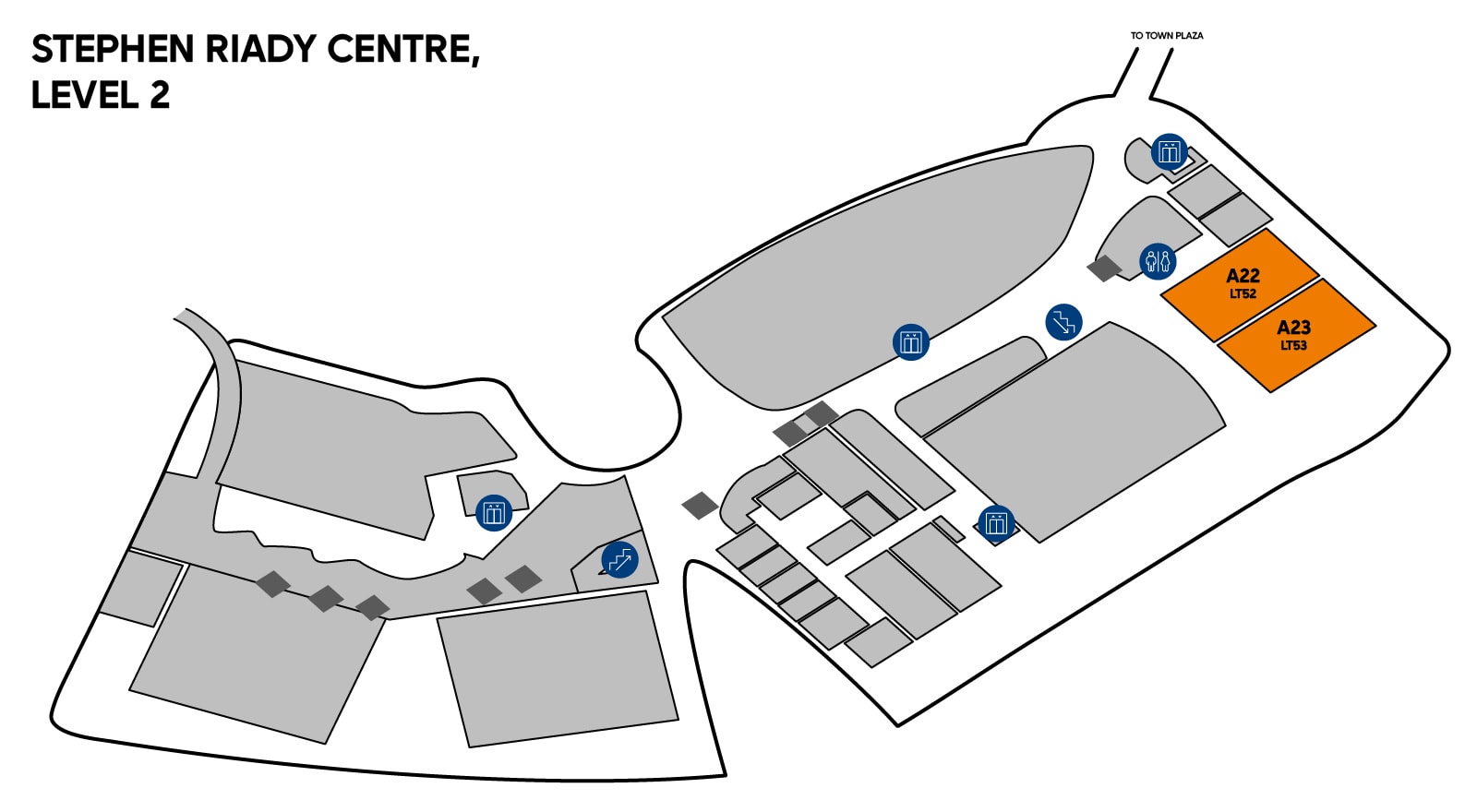
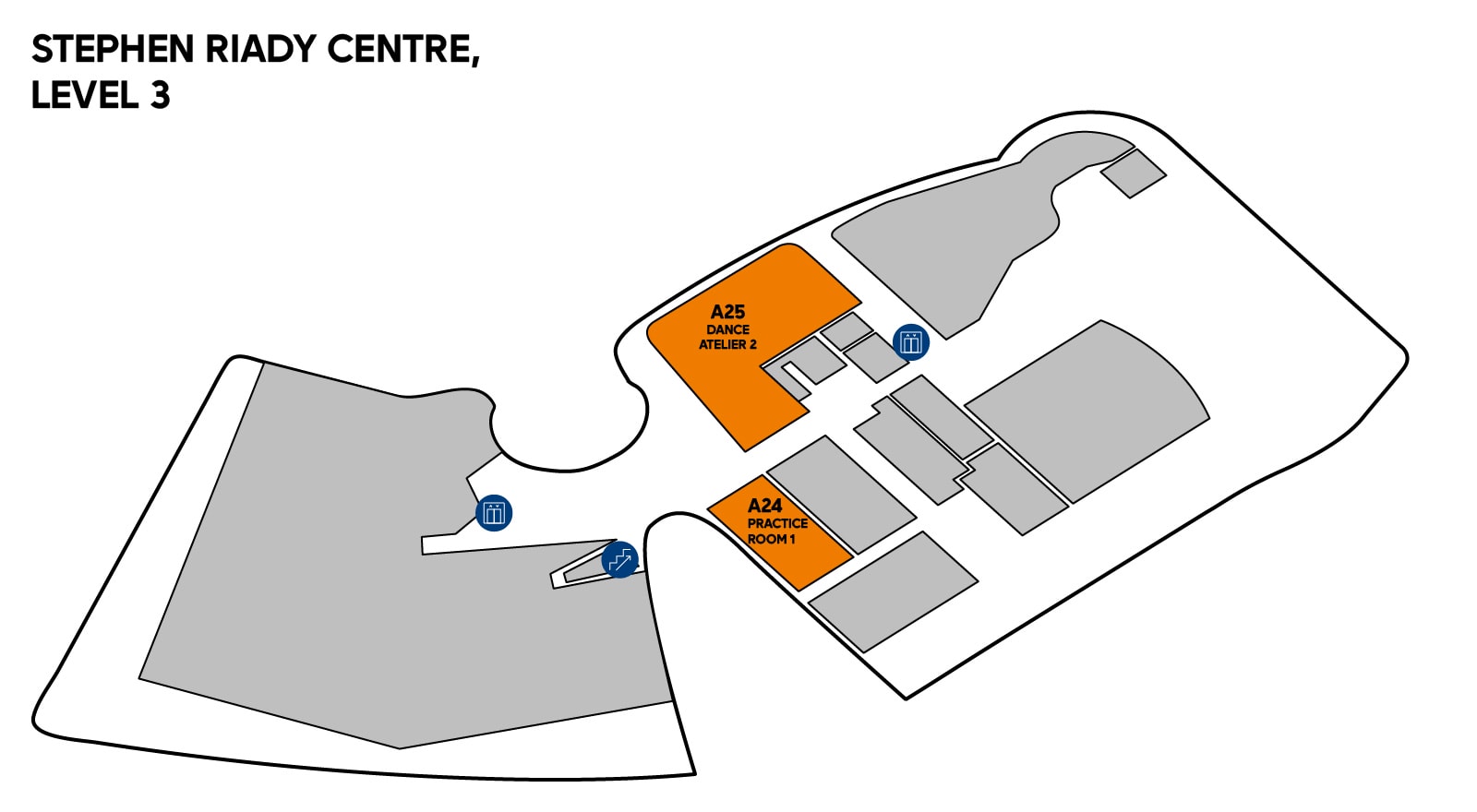
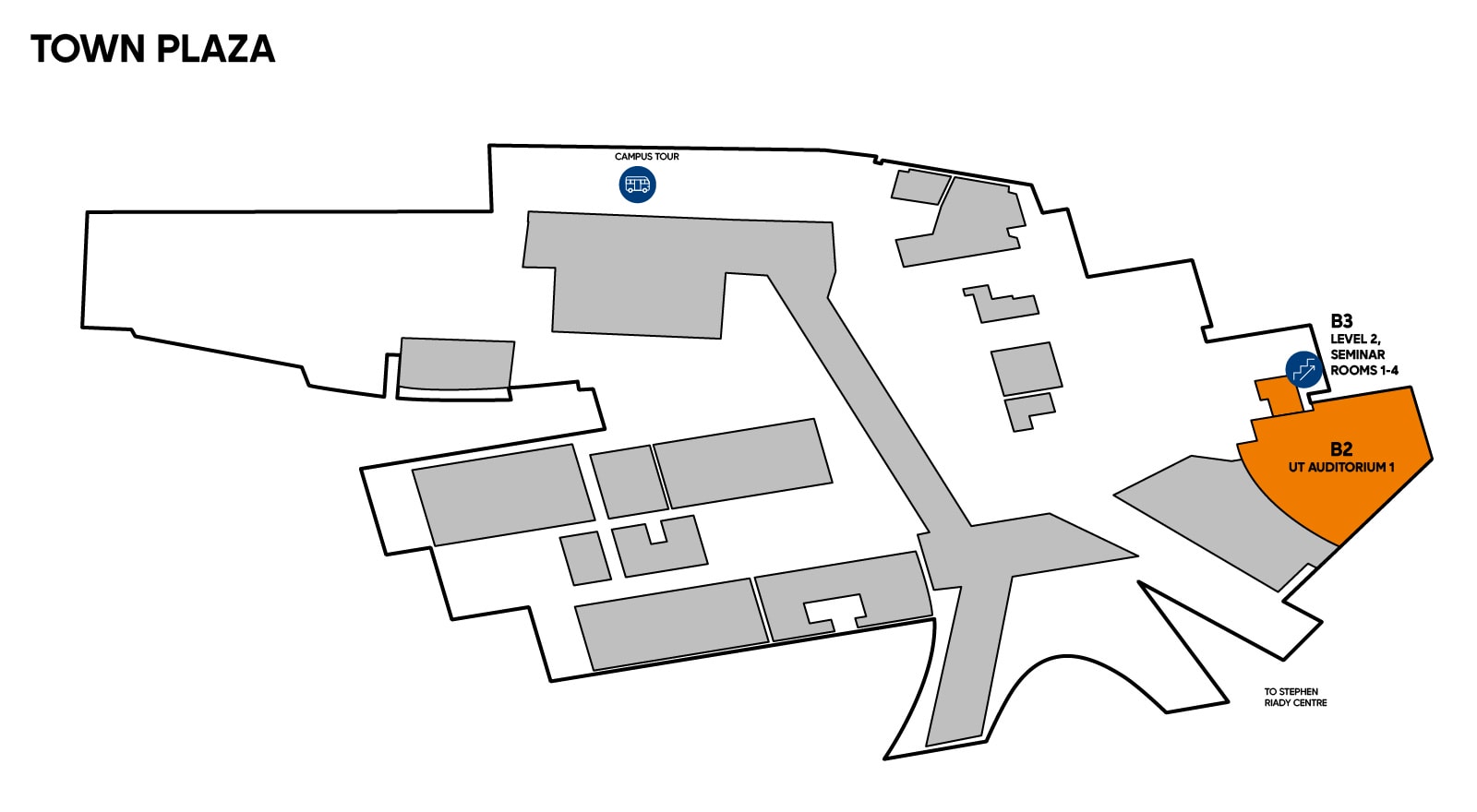
Talk Locations

Stephen Riady Centre (SRC)

Map_Talks_A1-v2
Map_Talks_A2-v2
Map_Talks_A3-v2

Town Plaza

Map_Talks_B1-v3

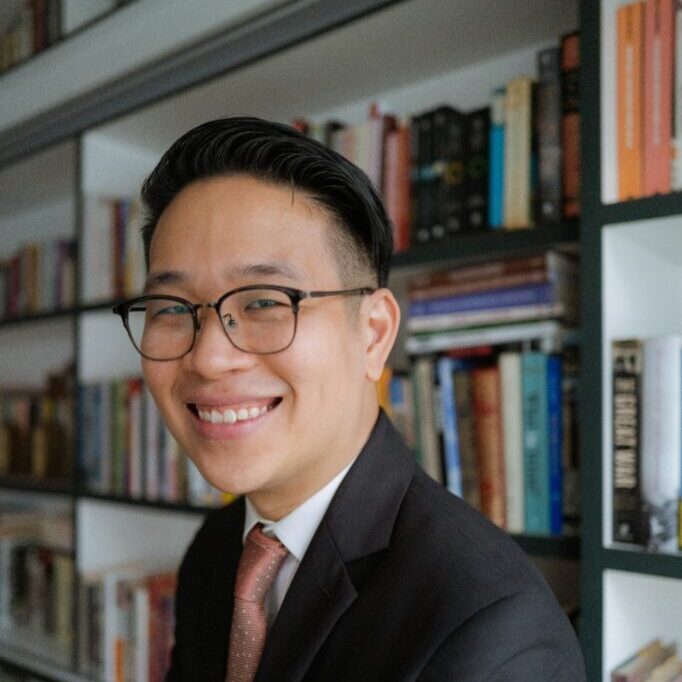
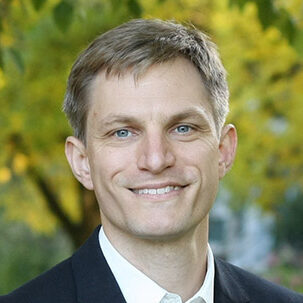
Cross Disciplinary Programme in Philosophy, Politics, and Economics

Technology, Labour, and Inequality

Research by several economists have found that the share of employment in occupations in the middle of the skill distribution has declined rapidly in the U.S. and Europe. At the same time, the share of employment in the upper and lower ends of the occupational skill distribution has increased substantially. This phenomenon has been termed “job polarisation”. In this sharing, we will discuss the challenges posed by job polarisation, focusing on both mature and developing economies. Specifically, I will show you how to properly understand the nature and challenges posed by job polarisation, we need to integrate insights from Philosophy, Politics, and Economics. I then examine how job polarisation presents potential opportunities for state and private actors to strengthen investments in education, skills upgrading, and training.

Chinese Languages & Cultures + Chinese Studies (Bilingual)

历史长河中的汉语方言与文化 (Chinese Dialects and Cultures in History)

本次讲座将探讨以下课题:新加坡语言生态的变迁、现代汉语标准语的形成、早期华人移民的语言状况、汉语与周边语言的词汇交流,以及方言与古代汉语的渊源关系等。通过这些案例,我们将揭示历史上的人口迁徙与文化交流如何深刻影响着汉语方言的形成与演变:一方面,诸多历史因素塑造了汉语方言的丰富性与复杂性;另一方面,汉语共同语与方言的互动,不断重塑着不同地区汉语使用者的身份认同与文化归属。 (The talk will be conducted in Chinese.)

Cross Disciplinary Programme in Geospatial Intelligence

Intelligence from space and place, for real-world solutions
Ever wondered how your phone predicts traffic, how we track the spread of a disease, or how businesses decide where to open new stores? The answer lies in Geospatial Intelligence—a thriving field at the intersection of geography and computing. By combining spatial thinking, data analytics, and AI, geospatial intelligence transforms location-based data into evidence-based insights that support decision-making across domains for understanding complex real-world problems. This session introduces the Bachelor of Science in Geospatial Intelligence, a new Cross-Disciplinary Programme jointly offered by NUS Geography and Computing. We will explore the programme structure, highlight career pathways across industry and the public sector, and show how this programme prepares students to turn real-world data into real-world impact.

English Language & Linguistics + Philosophy

ELL and Philosophy: What to expect at university
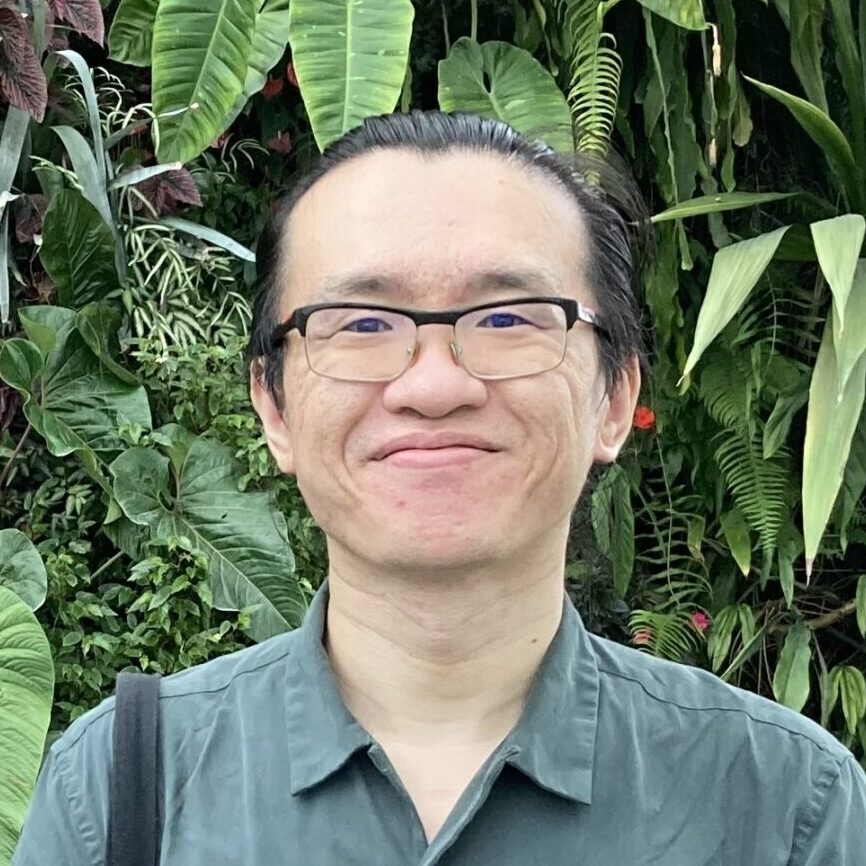
In this talk a representative from the Philosophy Department and the linguistics section of the Department of English, Linguistics and Theatre will introduce their disciplines. You’ve taken English. But at the university level it’s different. How so? And philosophy is about learning how to ask tough questions, and ask them well. Am I valuing and doing the right things? What is reality actually like? Can I actually know any of this? By introducing ourselves and our departments we hope to introduce the University, think about how the bits of it go together, and provide some insights for navigating this new environment.

Political Science + Theatre & Performance Studies

Continued Importance and Relevance of Political Science in Today’s Turbulent World | Performing on Stage and in Society
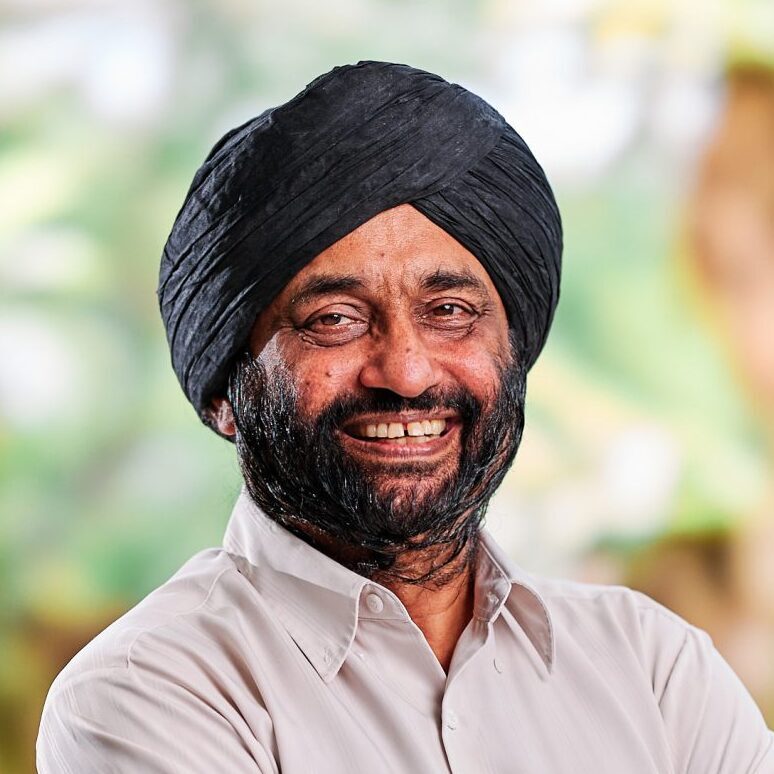

Catch two presentations from Political Science and Theatre and Performance Studies respectively in this session. Continued Importance and Relevance of Political Science in Today’s Turbulent World — As the world storms into disorder, there is a dire need to understand and explain what this means for all states, especially small ones like Singapore. Political Science provides a useful handle in explaining this phenomenon that will be shared with students during the talk. Performing on Stage and in Society — This talk explains how concepts from theatre and performance studies, initially used to describe what happens on stage, can be applied to better understand behaviour in society. 

Anthropology + History

Money and Mobility

How do societies measure value? And who gets to move upward as a result? In this joint session with professors of History and Anthropology, we explore how societies across time have understood money, merit, and movement. From understanding the cultural role and economic function of money in the Roman Empire to examining contemporary debates about education and social mobility in Asia, we investigate how systems of value are constructed, quantified, and justified—and how they shape people’s life chances. Drawing on archival research, fieldwork, and digital tools—including the cutting-edge use of AI—we show how scholars work with incomplete evidence, interpret human motivations, and rethink conventional assumptions about inequality and success. Apparently individual decisions are molded by path-dependent institutions that constrain our choices. By studying social institutions such as money and educational systems, historians and anthropologists contribute to a deeper understanding of the world we live in. In a job market increasingly shaped by artificial intelligence, the most valuable capacities are judgment, originality, ethical reasoning, leadership, collaboration, and empathy. Studying History and Anthropology develops precisely these strengths: the ability to analyse complex systems, synthesise diverse sources, communicate clearly, and generate insight rather than simply process information. Join us for a conversation about how understanding money and mobility equips you not only to interpret the world—but to help shape it.

Geography + Global Studies

What's the Difference between Global Studies and Geography + Global and Regional Georgaphical Explorations

This two-part session first delves into the similarities and differences between Global Studies and Geography in terms of classroom content, graduation requirements, student culture and job prospects, and later focuses on geographical journeys and pathways based on different modes of teaching and learning in geography, including student experiences in overseas field courses, cultural exchanges and team-based fieldwork covering hard and soft skills learning, during which diverse aspects of NUS Geography – including environmental, geo-spatial, geopolitical, financial and cultural landscapes – will be introduced.

FASS Student & Alumni Panel Discussion

Toward a Career that Lasts

What does it really take to build a career that lasts? This panel bridges the gap between the wisdom of experience and the energy of fresh perspectives, bringing together alumni and current undergraduates of the NUS College of Humanities and Sciences for an intergenerational conversation on professional success. Our alumni will look back, sharing what they would do differently as students and which lessons from FASS have proven invaluable in the real world. Our current students will look forward, revealing how they are leveraging interdisciplinary learning today to stand out to future employers. The magic happens in the middle. Alumni gain a window into how the next generation is navigating the modern job market, while students receive real-world context on turning a broad-based education into a resilient, adaptable career. Join us for a candid exchange on what it takes to thrive, no matter when you started.

Panelists

Languages

Multilingualism and Intercultural Competence - Your 21st Century Assets

As cultures increasingly interact and integrate with one another, multilingualism and intercultural competence have become key assets that give you an edge in our competitive society and the job market. The language-educator panellists will provide insights into the importance and value of mastering – starting from your first year at NUS – one of the 10 Asian and 3 European languages taught at the CLS. The panellists will elaborate on the opportunities as well as the challenges, and the best strategies for ensuring that the requirements of a Minor in Language Studies will be met.

Communications & New Media + Malay Studies

Go out and touch grass: Learning across disciplines to understand the digital present

This talk discusses intersections in the fields of indigenous history, digital culture and the environment, showing how multi-disciplinary approaches can enhance the understanding of a particular issue and promote innovative approaches to address them. The speakers will address pathways such that students can take classes in Communications and New Media as well as Malay Studies as majors, minors or interdisciplinary electives so that they can build holistic and inclusive approaches to analysing the world around them.

English Literature + Japanese Studies

New Lives

This talk explores how English Literature and Japanese Studies can each deepen and transform the way you see the world, as well as provide skills that will prepare you for a range of exciting careers.

Sociology + Social Work

The Human Edge: Thriving in an AI-Driven World with Sociology and Social Work

How do we prepare for a future that hasn't been written yet? In a world increasingly shaped by Artificial Intelligence, the most vital skills aren't found in a textbook, but in the ability to adapt, empathise, and think critically. Join Sociology and Social Work as we explore how the social sciences bridge the gap between deep theoretical insight and real-world impact. Success in the AI era is no longer about memorising facts; it is about "learning how to learn." Whether it is Sociology students analysing shifting work norms to develop better judgment and curiosity, or Social Work students using AI-driven simulations to master complex human interactions, both disciplines emphasise experiential learning. We don’t just study society, we engage with it. From classroom role-playing to analysing real-world data, we show how technology serves as a "learning partner" to develop flexible, job-ready graduates. Discover how a degree in the social sciences equips you with the human-centric skills needed to thrive, lead, and make a difference in a rapidly changing world.

Psychology + Southeast Asian Studies

Demystifying Psychology: The truth about the science of the mind and behaviour | What is a degree in Southeast Asian Studies good for?

This two-part session features a presentation each from NUS Psychology and NUS Southeast Asian Studies: Demystifying Psychology: The truth about the science of the mind and behaviour — Psychology is not mind-reading, it is a science. This talk demystifies common myths about psychology through a 'live' demonstration and explains how psychologists study the mind and behaviour, and concludes with a brief overview of Psychology at NUS and what students can expect from the programme; and, What is a degree in Southeast Asian Studies good for? —  Explanation of the personal fulfilment, intellectual and otherwise, that a degree in Southeast Asian Studies provides, and exploration of the specific careers in which Southeast Asian studies majors/double majors/minors have a notable advantage in.

Economics + South Asian Studies

South Asia’s Environment Through Two Lenses: Economics and Area Studies

The talk will showcase two perspectives on environmental issues in South Asia. Dr Vani Murali will situate environmental concerns within a South Asian cultural context using examples from film and stories from everyday life. Dr Martin Mattsson will show how an economist evaluates potential solutions to environmental problems, using recent examples of policies from India and Bangladesh.